Fix the chip this week, before the heat turns it into a crack.
A chip is easiest to repair while it’s fresh. Dirt and washer fluid work into it over time, and one hot afternoon or a blast of cold A/C can send a crack running across the glass.
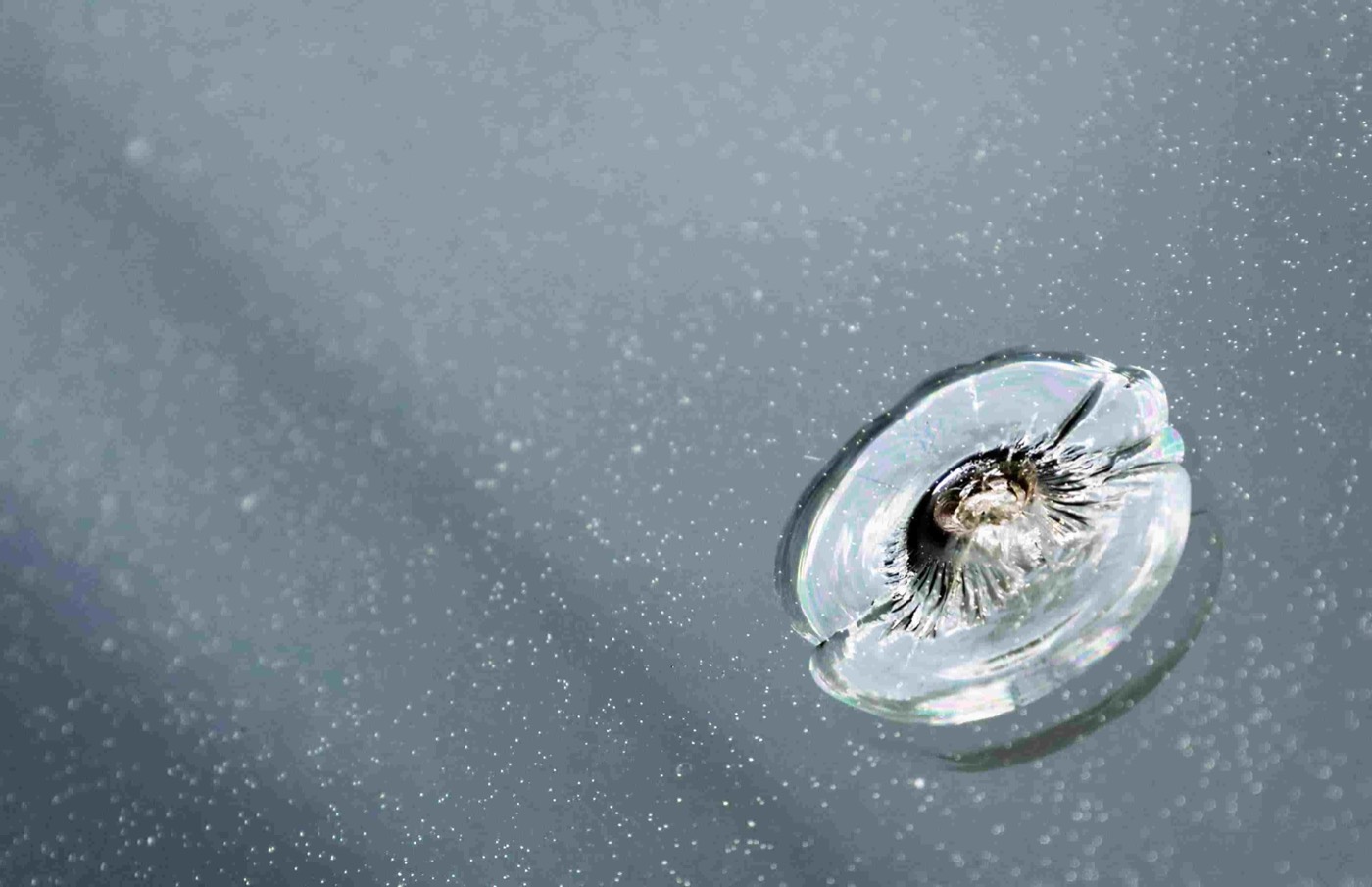
The chips we see every day
Not sure what you have? Doesn’t matter. A photo is enough for us to tell.
Bullseye
A round, cone-shaped break with a dark ring. Cleanest-looking result after repair.
Star break
Short cracks, or “legs,” running out from the impact point. Fix it before the legs grow.
Combination
A bullseye with legs. The most common chip we see from freeway rocks.
Half moon
A partial bullseye shaped like a semicircle. Repairs well.
Surface pit
A small nick in the outer layer only. Filled so it doesn’t catch dirt and wiper grit.
Edge chip
Damage within two inches of the edge. It can crack quickly, so call soon.
What we actually do in those 30 minutes.
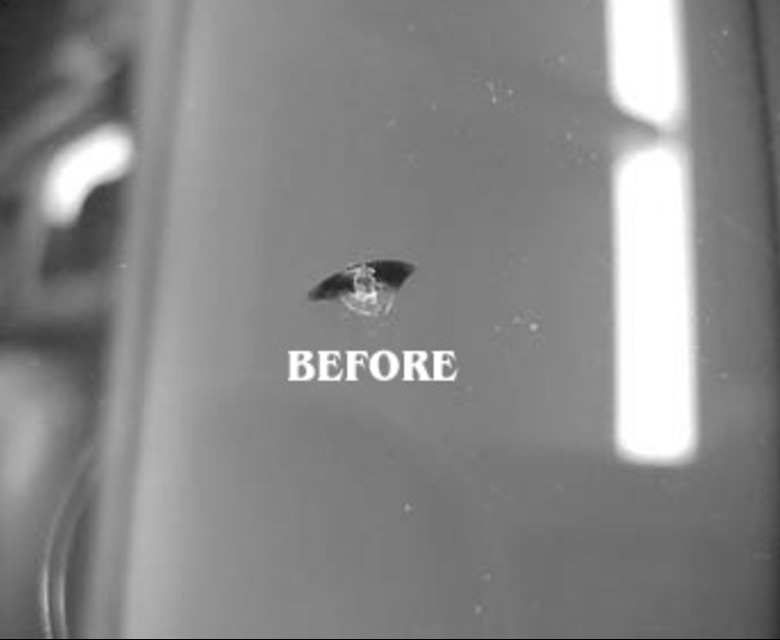
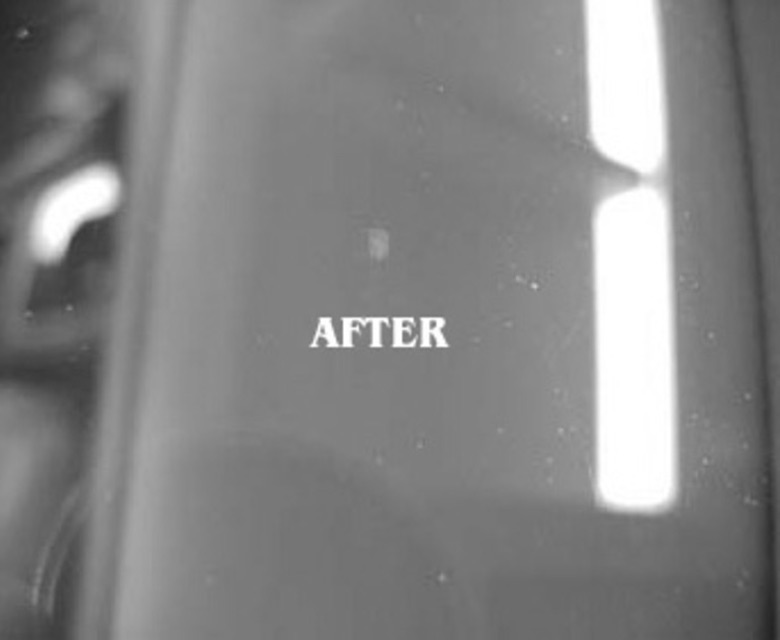
Inspect
We look at the break from inside and out with a mirror and a light to see how deep it goes and where the legs end.
Clean and dry
We clear out glass fragments, dirt and moisture. Resin can’t bond to anything it can’t touch.
Open a path if needed
Some breaks are sealed at the top. We make a tiny opening, smaller than a pencil tip, so resin can reach the inside.
Fill under pressure
An injector mounted on the glass pushes resin in and pulls air out, over and over, until the break is completely full, legs included.
Cure with UV light
The resin hardens in minutes under ultraviolet light, bonding the glass back together.
Finish the surface
We scrape off the excess, fill the impact point and polish it flush so wipers glide over it.
Until we get there
- Put a piece of clear tape over the chip to keep dirt and water out.
- Skip the car wash.
- Don’t aim the defroster or the A/C straight at the glass.
- Park in the shade when you can, and close doors gently.
Is my chip too small to bother with?
No chip is too small to repair, and small chips give the best-looking results. The bigger it gets, the more visible the repair.
Why we don’t recommend store kits
Store kits come with thin resin and a plastic holder that can’t open the break up enough to fill it. The top gets sealed, the air stays trapped inside, and the chip often spreads anyway.
Once a kit has been used, it’s harder for anyone to do a proper repair on that chip. Super glue and nail polish are worse: they seal the surface and keep resin out for good.
We use a professional-grade repair system that’s lab-tested to industry standards, with tools that open the break so resin reaches the very ends of the legs.